
Solar Cell Pool Cover vs GeoBubble Pool Cover
Solar Cell Pool Cover vs GeoBubble Pool Cover - Which Solar Cover is Right for your Pool?
If you are looking to upgrade your pool setup, you’ve likely encountered two heavy hitters in the world of heat retention: the solar cell pool blanket and the newer, patented GeoBubble pool cover. While they both look similar, the science behind them is very different.
To help you decide which one deserves a spot in your pool, we’ve broken down the tech, the durability and the cost of these top-tier solar pool covers.
The Well-Tested Choice: Traditional Solar Cell Blankets
A solar cell pool blanket is the industry standard. It uses thousands of small, circular air cells to create an insulating barrier on the water's surface. These cells work like a greenhouse: they allow solar radiation to pass through and heat the water, while the air trapped inside the bubble prevents that heat from escaping via evaporation.
-
Best for: Budget-conscious owners looking for immediate heat gain.
-
The Benefit: Solar cell blankets are generally cheaper than the Geobubble alternatives, making them a good choice for budget conscious pool owners.
-
Keep in mind: Traditional circular bubbles have ‘stress points’. During manufacturing, the plastic is stretched thin at the corners of the bubble. Over time, UV rays and pool chemicals attack these thin spots, leading to ‘bubble popping’.
The Modern Challenger: GeoBubble Pool Blankets
The geobubble pool cover doesn’t use circles; it instead uses a unique ‘peanut’ shape: two bubbles joined together with a structural waistline.
The design isn't just for looks. A geobubble pool cover is 50% thicker at its thinnest point than a standard solar cell pool cover. Because there are no sharp corners or stress points, the material can expand and contract as the air inside heats up without cracking the plastic.
-
Best for: Long-term investment and those using salt-water or heavily chlorinated systems.
-
The Benefit: Research shows that GeoBubble technology can increase the lifespan of your cover by up to 25%, meaning fewer replacements and less plastic waste.
-
Keep in Mind: Geobubble cell covers are available in a wide range of colours to suit your aesthetic, including black, clear and royal blue solar covers.
The Modern Challenger: GeoBubble Pool Blankets
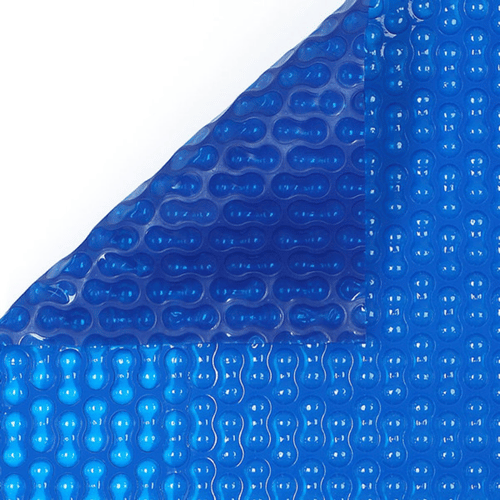
The geobubble pool cover doesn’t use circles; it instead uses a unique ‘peanut’ shape: two bubbles joined together with a structural waistline.
The design isn't just for looks. A geobubble pool cover is 50% thicker at its thinnest point than a standard solar cell pool cover. Because there are no sharp corners or stress points, the material can expand and contract as the air inside heats up without cracking the plastic.
-
Best for: Long-term investment and those using salt-water or heavily chlorinated systems.
-
The Benefit: Research shows that GeoBubble technology can increase the lifespan of your cover by up to 25%, meaning fewer replacements and less plastic waste.
-
Keep in Mind: Geobubble cell covers are available in a wide range of colours to suit your aesthetic, including black, clear and royal blue solar covers.
The Best Performer: Honeycomb Black Solar Cell Pool Covers
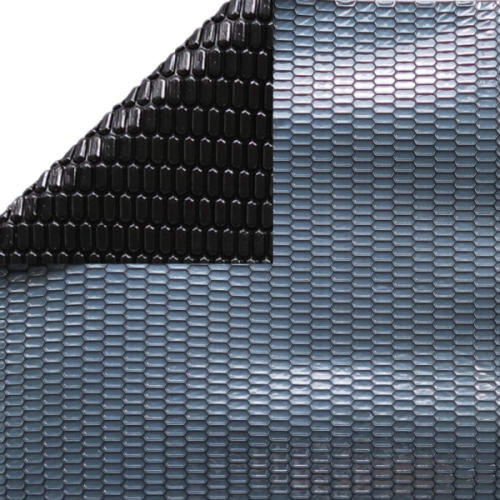
Whereas traditional solar cell covers use small circles, and the Geobubble uses a peanut shape, the Honeycomb Black solar cover uses a unique hexagonal ‘honeycomb’ cell structure. This interlocking geometric design minimises the gaps between cells, ensuring more of the water’s surface is covered by insulating air pockets.
The design is engineered for maximum heat absorption. Unlike transparent or blue covers, the opaque black material acts as a huge solar collector, absorbing the sun’s rays and transferring that thermal energy directly into the water. The reinforced honeycomb shape provides a more rigid structural profile, which helps the cover lay flatter on the water surface and resist lifting in breezy conditions.
-
Best for: Rapid heat gain and owners of outdoor pools in cooler climates or those looking to extend their swimming season.
-
The Benefit: The deep black pigment and honeycomb density work together to inhibit algae growth by blocking the light required for photosynthesis. This results in a significant reduction in chemical consumption and less time spent on pool maintenance.\
-
Keep in Mind: While black covers are the champions of heat absorption, they are opaque, meaning you won’t be able to see the pool floor while the cover is on. They are a high-performance choice for those who prioritise a warm pool and low chemical costs.
Thermal Performance: Comparing the Heat
When it comes to raw temperature, all three styles are excellent at raising water heat by 5°C to 8°C. However, if you want to maximise gains, look at the colour and material efficiency:
-
Standard & GeoBubble Transparency: Clear or ‘Sol+Guard’ covers allow light to reach the floor and walls, which is great for secondary heating.
-
Honeycomb Efficiency: The Honeycomb Black cover skips the middleman by absorbing heat directly at the surface and transferring it down, making it the most efficient heater of the three.
-
Insulation: Higher micron (thickness) options reflect more heat back into the water at night, especially when using a honeycomb or 500-micron GeoBubble.
Why Your Choice Matters for Maintenance
Using any high-quality swimming pool solar cover reduces water evaporation by up to 98%. This doesn't just save water; it keeps your chemicals in the pool instead of letting them vanish into the atmosphere.
If you choose a standard blanket, you’ll get great heating results, but you may find yourself replacing it a season or two earlier. A GeoBubble offers a resilient barrier against UV degradation, but for the ultimate maintenance reduction, the Honeycomb Black is the winner; by blocking light, it actively stops algae from blooming, saving you a fortune on algaecide, chlorine and other cleaning chemicals.
TLDR
Solar Cover Comparison Table
|
Feature |
Traditional Solar Cell |
GeoBubble Peanut |
Honeycomb Black |
|
Bubble Shape |
Circular (Standard) |
'Peanut' (Double Bubble) |
Hexagonal (Interlocking) |
|
Heat Method |
Greenhouse Effect |
Greenhouse Effect |
Direct Solar Absorption |
|
Durability |
Low (Thin stress points) |
High (Structural waistline) |
Very High (Rigid profile) |
|
Algae Control |
None |
Limited (Depends on colour) |
Excellent (Blocks 100% light) |
|
Life Expectancy |
2–3 Years |
4–6 Years |
5–8 Years |
|
Chemical Savings |
Moderate |
High |
Superior |
|
Best For |
Budget / Temporary use |
Standard Inground Pools |
Maximum Heat & Low Care |
The Verdict
-
If you are looking for a quick, one-season fix for a small above-ground pool, a standard solar cell pool blanket is a fantastic, cost-effective choice.
-
For permanent inground pools or those prioritising durability, the GeoBubble is a massive step up in lifespan.
-
However, for the absolute best in thermal performance and maintenance reduction, the Honeycomb Black Solar Cell Pool Cover is the clear winner. It offers the most rigid design, the fastest heating times, and the added bonus of algae prevention.
Ready to heat things up? Explore our full range of Solar Pool Covers to find the exact size and micron for your pool.
Don't forget to pair your new cover with a pool cover roller to make daily use effortless and prevent damage from dragging the material across the coping!
Do you have a uniquely shaped pool? Ask us about custom-cut options to ensure you get 100% surface coverage!