
Swimming Pool Water Saving Tips During a Hosepipe Ban
When the UK experiences long periods of hot, dry weather, hosepipe bans can quickly become a concern for swimming pool owners. If you normally rely on mains water to top up your pool, backwash your filter or clean using a traditional vacuum hose, restrictions can make everyday maintenance more difficult.
The key during a hosepipe ban is to protect the water you already have. By reducing evaporation, cutting down on unnecessary backwashing and changing the way you clean your pool, you can significantly lower the amount of water your pool uses without compromising on water quality.
Below, we've shared some of the most effective ways to make your swimming pool more water efficient during dry weather and hosepipe restrictions.
First, Check the Restrictions in Your Area
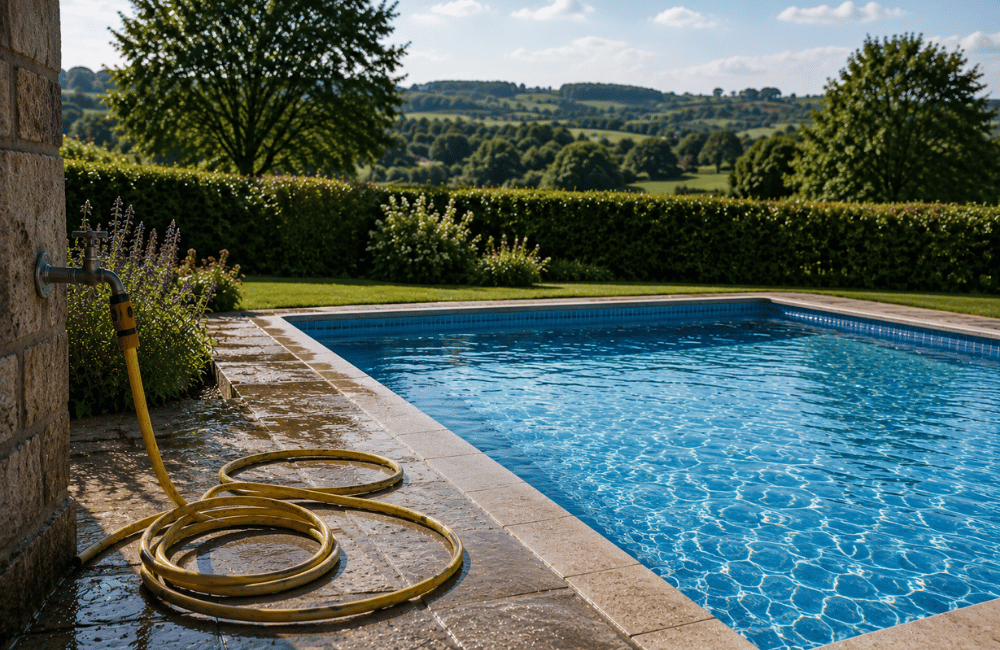
A hosepipe ban is officially known as a Temporary Use Ban (TUB). During a TUB, the filling or maintaining of a domestic swimming pool can be prohibited, so you shouldn't assume you can use a hosepipe to top up your pool as normal.
There are exemptions in certain circumstances, including where filling or maintaining a pool is necessary during its construction. Some water suppliers also allow exemptions or concessions following significant refurbishment, but these can vary between suppliers. Always check the latest restrictions for your area before using mains water to fill or maintain your pool, to avoid a £1000 fine.
Where Does Swimming Pool Water Get Wasted?
Most pools naturally lose some water throughout the season, but during a hosepipe ban it becomes much more important to understand where those losses are coming from. Some of the biggest causes are evaporation, backwashing, vacuuming to waste, splash-out, leaks and unnecessary draining or refilling.
Individually these losses may not always seem significant, but over the course of a summer they can add up to thousands of litres. The good news is that many of them can be reduced with a few simple changes.
Stop Water Disappearing Through Evaporation
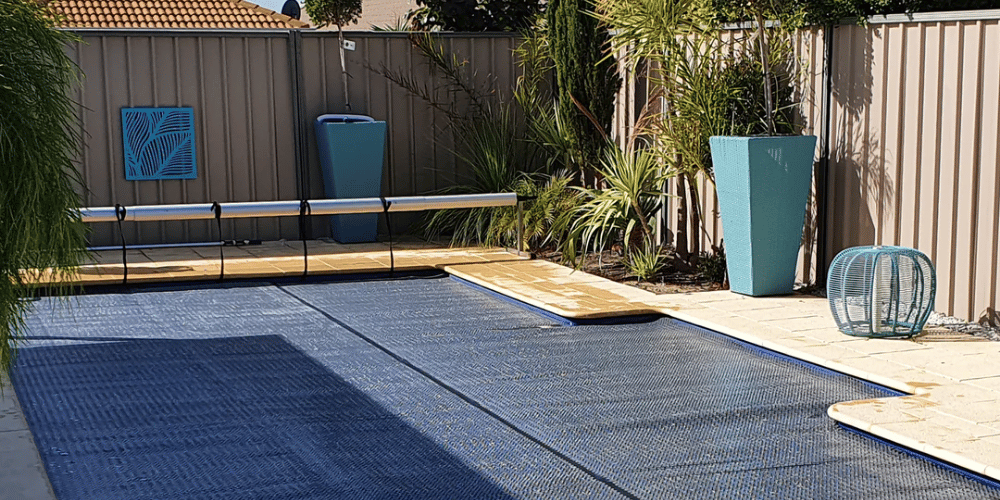
One of the easiest and most effective ways to reduce water loss is to use a swimming pool cover whenever the pool isn't being used. Warm, dry and windy weather can cause a surprising amount of water to evaporate from an uncovered pool, especially during the hottest part of the summer.
A good quality solar cover creates a barrier between the water and the air, helping to dramatically reduce evaporation while also keeping heat in the pool and debris out. This means less topping up, less heating and less work for your filtration system.
Our Sol+Guard 500M Solar Pool Cover, for example, is designed to reduce evaporation by more than 98%. Manufacturer research estimates that an average 8m x 4m UK swimming pool can lose around 32,000 litres of water per year through evaporation if left uncovered.
Other options include the Royal Blue 600M GeoBubble Solar Cover, which also reduces evaporation by more than 98%, and the Honeycomb Black Solar Cell Pool Cover, which is designed to prevent more than 99% of evaporation and can save up to 180 litres of water per day on an 8m x 4m pool.
Using a cover also helps reduce heat loss, chemical consumption and the amount of leaves, insects and debris entering the water. If you're looking for one simple change that can make a noticeable difference during a hosepipe ban, keeping your pool covered is a very good place to start.
Cut Down on Backwashing with a MultiCyclone
If you have a sand filter, backwashing can be one of the biggest areas of water loss. A typical backwash and rinse can use around 700 litres of water, and over the course of a swimming season a sand filter may use approximately 4,000 to 8,000 litres just through routine backwashing and rinsing.
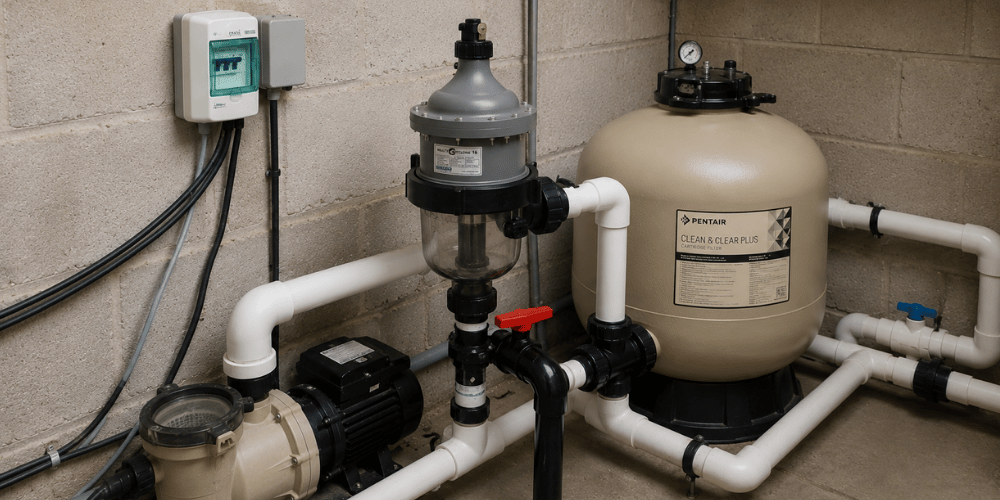
A Waterco MultiCyclone can help reduce this considerably by removing dirt before it reaches your main filter. The unit is installed between your pool pump and filter and uses centrifugal filtration to separate dirt and sediment from the water.
The MultiCyclone can collect around 80% of the dirt that would otherwise reach your filter. With much less debris entering the filter, it takes longer for the pressure to rise and the filter doesn't need to be backwashed as often.
Cleaning the MultiCyclone itself is quick and uses very little water. You simply open the purge valve to flush the collected sediment from the clear chamber, using around 15 litres of water compared with hundreds of litres for a full sand filter backwash.
Waterco estimates that adding a MultiCyclone to an average swimming pool can save up to 7,000 litres of water per year. It can also reduce filter maintenance, and because there are no moving parts or filter media inside the unit, it is a relatively simple addition to most existing filtration systems.
Rethink How You Clean Your Pool
Traditional pool cleaning can also result in unnecessary water loss. When using a standard vacuum hose, dirt is normally pulled through the main filtration system. If the pool is particularly dirty, you may choose to vacuum directly to waste, which means the dirty water leaves the pool completely and has to be replaced.
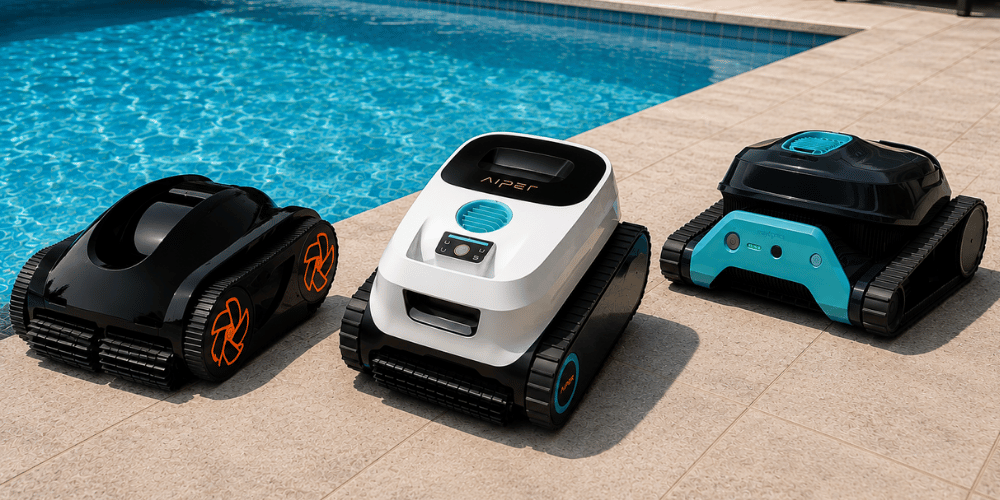
A robotic pool cleaner avoids this problem by collecting dirt and debris in its own filter basket or cartridge. It works independently from the main filtration system, so the debris is removed from the pool without sending large amounts of water down the drain.
This also reduces the amount of dirt reaching your main filter, which may help reduce how often you need to backwash it. In short, a robot can help save water twice: firstly by avoiding vacuuming to waste, and secondly by reducing the workload on your existing filtration system.
Aiper Scuba N1600
The Aiper Scuba N1600 is a cordless robotic cleaner that can clean the pool floor, walls and waterline. It is suitable for pools up to 150m², offers up to 150 minutes of runtime and has a suction rate of up to 15,000 litres per hour.
iGarden K Series
The iGarden K Series is another cordless option, with models offering between 2.5 and 8 hours of floor cleaning runtime. Its 4-litre, 180-micron filter basket collects debris inside the cleaner rather than sending it through your pool filter.
Dolphin Liberty 300
The Dolphin Liberty 300 provides cordless floor, wall and waterline cleaning and also includes an Eco Mode for shorter cleaning cycles over several days.
Whichever robotic cleaner you choose, the principle is the same: collect the dirt instead of sending pool water to waste.
Don't Backwash More Than You Need To
Another easy way to save water is to stop backwashing your filter simply because it is part of your weekly routine. If the filter doesn't need cleaning, there is no benefit in sending hundreds of litres of water to waste unnecessarily.
Instead, make a note of the pressure shown on your filter gauge when the system is clean. As dirt builds up inside the filter, the pressure will gradually rise. Follow the manufacturer's guidance for when a backwash is required rather than relying on a fixed weekly schedule.
Using a robotic cleaner and a MultiCyclone can help even further because both reduce the amount of dirt reaching the filter in the first place.
Keep the Water You Have in Good Condition
During a hosepipe ban, looking after the water already in your pool becomes even more important. Poor water balance can lead to cloudy water, algae and the need for heavier chemical treatment, all of which can make the pool more difficult to recover.
Regularly test your free chlorine, pH, total alkalinity and any other relevant water balance levels. Keeping these within the correct range will make it much easier to maintain clear, safe water without needing to partially drain or replace it.
Prevention is always easier than trying to recover neglected water when topping up is restricted.
Check for Small Leaks Before They Become Big Ones
During hot weather it is easy to assume that a falling water level is caused by evaporation, but sometimes there may be a leak somewhere in the system.
Keep an eye on pumps, filters, valves, unions, flexible hoses, skimmers, return fittings and visible pipework. A small drip may not look serious, but over several days or weeks it can add up to a surprising amount of lost water.
If you are unsure whether the pool is leaking or simply losing water naturally, a basic bucket test can help you compare the water loss inside the pool with normal evaporation.
Keep Debris Out Before It Reaches the Filter
Anything you can do to stop debris entering the pool will also help reduce the workload on your filtration system. Leaves, pollen, insects, grass and other debris all contribute to filter loading and can increase the frequency of cleaning and backwashing.
Keep the pool covered when it isn't being used, empty skimmer baskets regularly and remove larger debris with a pool net before it gets pulled into the filtration system.
A simple water-saving approach looks like this:
Cover the pool → keep debris out → clean with a robot → capture finer sediment with a MultiCyclone → reduce the load on your filter → backwash less → save water.
What If Your Pool or Hot Tub Needs Draining?
There are occasions where a swimming pool may need to be drained and refilled as part of construction or significant repair work. Under Temporary Use Ban rules, filling or maintaining a domestic swimming pool can be permitted where it is necessary during the course of its construction.
Some water suppliers may also allow a pool to be filled following significant refurbishment. Depending on the supplier, this can include work such as installing a completely new liner, repairing a significant leak or carrying out major structural alterations. However, these additional exemptions or concessions can vary, so they should never be assumed to apply.
Routine servicing, maintenance or simply replacing your pool water should not be treated as an automatic exemption. If your pool needs to be drained and refilled, check the current restrictions with your water supplier before carrying out the work.
Need Help Finding a Local Pool or Hot Tub Professional?
At 1st Direct Pools, we work with swimming pool and spa professionals across the UK and have access to a wide network of trade contacts.
If your swimming pool requires construction work, a new liner, significant leak repair or major refurbishment, get in touch and let us know your location and the work required. We'll do our best to recommend a local pool professional who can assess the work and advise on the next steps.
Before using a hosepipe to refill the pool, always check that the work qualifies under the restrictions or exemptions currently published by your local water supplier.
How Much Water Could You Save?
| Water-Saving Option | Potential Benefit |
| Solar Pool Cover | Selected covers can reduce evaporation by more than 98%. |
| Waterco MultiCyclone | Can save up to 7,000 litres per year by reducing backwashing. |
| Robotic Pool Cleaner | Helps avoid vacuuming to waste and reduces the amount of debris reaching your main filter. |
| Backwash Only When Needed | Helps avoid unnecessary backwash cycles that can use hundreds of litres of water. |
| Fix Leaks Early | Prevents small, continuous losses from adding up over the season. |
Water-saving figures are based on manufacturer information and will vary depending on pool size, weather conditions, equipment and how the pool is maintained.
Swimming Pool Hosepipe Ban FAQs
Can I Fill My Swimming Pool During a Hosepipe Ban?
A Temporary Use Ban can prohibit filling or maintaining a domestic swimming pool. There are exemptions, including where filling or maintaining the pool is necessary during its construction. Some water suppliers may also permit filling following significant refurbishment, but you should check the specific restrictions and exemptions published by your local water supplier before filling your pool.
Can I Top Up My Swimming Pool During a Hosepipe Ban?
You shouldn't assume you can use a hosepipe to routinely top up your swimming pool during a Temporary Use Ban. Check the restrictions published by your water supplier before adding mains water. This is why reducing evaporation, preventing leaks and cutting unnecessary backwashing are particularly important during a hosepipe ban.
Can I Still Use My Swimming Pool During a Hosepipe Ban?
A hosepipe ban does not necessarily mean you cannot use an existing swimming pool. The restrictions are generally focused on how mains water is being used to fill or maintain it. If your pool is already full and properly maintained, conserving the water you already have should be the priority.
Should I Empty My Pool During a Hosepipe Ban?
Unless your swimming pool needs to be drained for construction, significant repair or another essential reason, it is best to avoid unnecessarily emptying it during a hosepipe ban. Once the water has been removed, you may not be permitted to use mains water to refill the pool.
If your pool needs a new liner, significant leak repair or major refurbishment, check with your water supplier before starting the work to establish whether refilling will qualify under its current exemptions or concessions.
What Is the Best Way to Stop Swimming Pool Water Evaporating?
Use a swimming pool cover whenever the pool isn't being used. A good quality solar cover can reduce evaporation by more than 98% while also helping to retain heat and keep debris out.
Can a MultiCyclone Save Water?
Yes. A MultiCyclone removes a large proportion of dirt before it reaches your main filter, which can significantly reduce how often the filter needs to be backwashed. Waterco estimates that it can save an average swimming pool up to 7,000 litres of water per year.
Can a Robotic Pool Cleaner Save Water?
Yes. A robotic pool cleaner collects debris in its own filter instead of relying on your main filtration system. This helps avoid vacuuming to waste and can also reduce the amount of dirt reaching your main filter, helping to cut down on backwashing.
Make Every Drop Count
A hosepipe ban doesn't mean you should stop looking after your swimming pool. If anything, it makes good pool maintenance even more important because the aim is to protect the water you already have rather than constantly replacing it.
Keep your pool covered when it isn't being used, remove debris before it reaches the filter, use a robotic cleaner instead of vacuuming to waste and only backwash when your filter actually needs it. If you want to go a step further, adding a MultiCyclone can significantly reduce the amount of water lost through filter maintenance.
These changes aren't just useful during a hosepipe ban either. They can help make your swimming pool more water efficient, easier to maintain and cheaper to run throughout the entire swimming season.
If you need advice on reducing your swimming pool's water usage, choosing the right equipment or finding a local pool or spa professional, contact the 1st Direct Pools team and we'll be happy to help.