
The Benefits of Swimming
A Complete Guide to Physical & Mental Health
Few forms of exercise offer quite the same combination of benefits as swimming. It works your whole body, puts almost no strain on your joints, and can be picked up at any age or fitness level.
Whether you swim lengths at your local leisure centre or have your own pool at home, the health benefits of swimming go well beyond simply cooling off on a warm day. In this guide, we'll look at exactly what swimming does for your body and mind, whether it genuinely helps with weight loss and how to get more out of every session.
The Physical Health Benefits of Swimming

Swimming works your whole body and clears your mind, making it one of the most rounded forms of exercise there is.
Here’s what’s actually happening physically each time you get in the pool:
A Heart Workout That Feels Easy
The NHS lists swimming as an example of vigorous exercise when you swim at a good pace, so it can count towards 75 minutes of more intense activity (or 150 minutes of moderate activity) adults are advised to get each week. Because you're constantly pushing against the water, your heart and lungs get a real workout, without the pounding your joints take from running or other impact cardio.
The evidence is encouraging. A large UK study of more than 80,000 adults, published in the British Journal of Sports Medicine in 2017, found that people who swam had a 41% lower risk of dying from heart disease or stroke than people who didn't swim. The study shows a link rather than proof that swimming is the cause, but it's a striking figure to consider.
If you're thinking about making this a daily habit rather than a weekly trip to the pool, having your own swimming pool at home removes a lot of the friction, no queuing for a lane, no driving across town, just a few strokes whenever you have the time.
Full-Body Strength and Toning, Without the Strain
Water is roughly 800 times denser than air, so every movement you make in the pool is working against resistance. This is why swimmers tend to develop noticeably toned shoulders, backs, legs and core muscles over time, even though it doesn't always feel like strength training in the way lifting weights does.
Different strokes work different areas. Breaststroke leans heavily on the legs and chest, front crawl builds shoulder and back endurance, and butterfly is one of the most demanding full-body strokes there is. If you want to add extra intensity to your sessions, resistance tools from our pool fitness equipment range, such as swim and exercise cords, are a simple way to target specific muscle groups without needing any extra space.
Easy on the Joints
Because water supports a large proportion of your body weight, swimming puts far less strain on your hips, knees and back than land-based exercise. This is precisely why it's so often recommended for people with arthritis, those recovering from injury, and pregnant people looking to stay active without added pressure on their joints.
If you're easing back into exercise or building confidence in the water, simple water walking, essentially walking lengths of the shallow end, is a gentle starting point that still raises your heart rate without any real risk of impact injury.
For anyone who wants a bit of extra support while they build confidence, our swimming aids and safety range includes buoyancy aids suitable for both children and adults.
Better Breathing and Lung Capacity
Controlled breathing is built into every swimming stroke, and regular practice can improve your breathing control and stamina. Many swimmers find their overall stamina improves both in and out of the water, and some studies suggest it can help people with asthma, particularly children, improve their fitness. Chlorine can irritate some people's airways, so anyone with asthma should check with their GP first.
Is Swimming Good for Weight Loss?
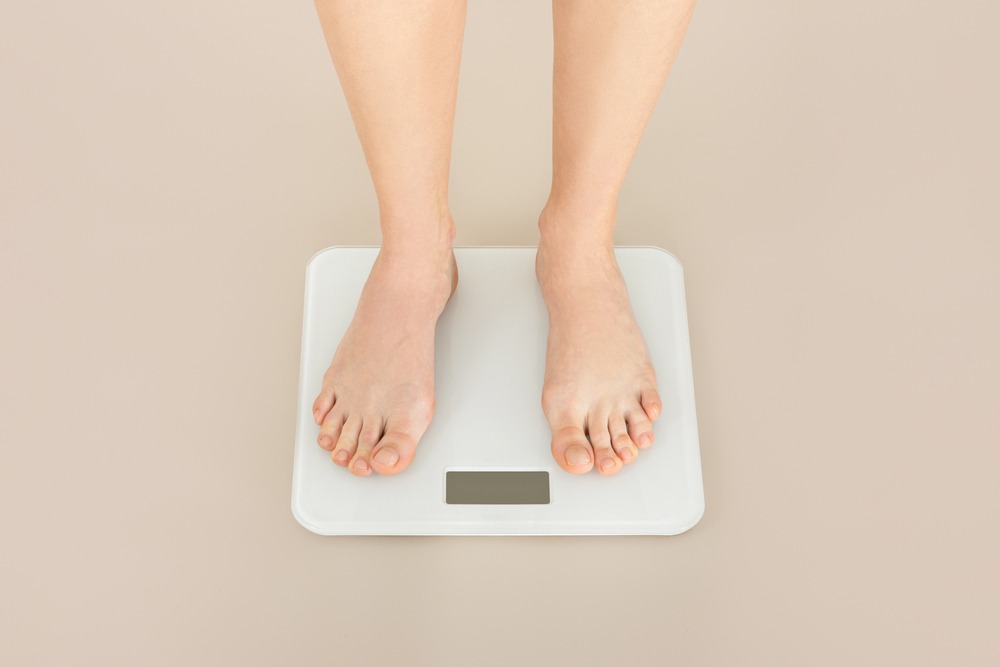
This is one of the most common questions people ask about swimming, and the honest answer is: yes, it can be, but it works the same way any form of exercise does. Weight loss ultimately comes down to burning more calories than you consume, and swimming is an efficient way to do that.
As a rough guide, a person weighing around 11 stone can burn roughly 200 to 300 calories in 30 minutes of steady front crawl, with more vigorous strokes like butterfly burning noticeably more. That figure will vary depending on your weight, pace and the stroke you use, but it puts swimming roughly on par with jogging in terms of calories burned, minus the impact on your joints.
The key is consistency rather than intensity alone. Swimming two or three times a week, gradually increasing your distance or adding interval-style sessions (short bursts of faster swimming followed by easier recovery lengths), tends to produce far better results than the odd long swim once a month. Pairing your sessions with some resistance work, using equipment like swim and exercise cords, can also help build the lean muscle that keeps your metabolism ticking over. As with any exercise, swimming works best for weight management alongside a balanced diet, rather than as a solution on its own.
The Mental Health Benefits of Swimming
Swimming's benefits aren't limited to the physical. There's something genuinely calming about the rhythm of steady strokes and controlled breathing, and many people describe it as one of the few times in their day when they're not thinking about anything else at all.
The research points the same way. In one small trial, women with fibromyalgia who took part in supervised warm-water exercise sessions three times a week for eight months saw a 41% improvement in anxiety and a 27% improvement in depression compared with women who didn't. More broadly, exercise of this kind is known to boost mood, improve sleep quality, and give a genuine sense of achievement, particularly when you notice yourself swimming further or faster over time.
For a lot of swimmers, what happens after the swim matters too. Easing tired muscles in a hot tub, or spending time in a sauna, can extend that sense of relaxation and help with recovery between sessions. (If you're pregnant, the NHS advises avoiding hot tubs and saunas.)
. If that appeals to you, it's worth reading about the health benefits of using a sauna alongside your regular swims.
Who Can Benefit from Swimming?
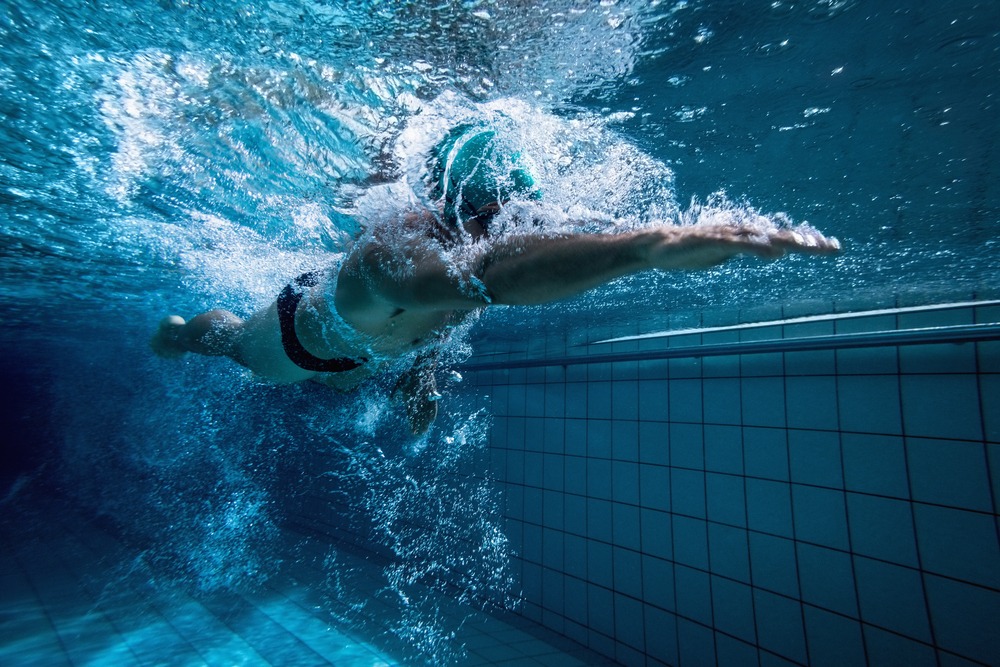
Part of what makes swimming such a widely recommended form of exercise is how few people it excludes.
Children benefit from swimming both as a vital safety skill and as a confidence-building activity that develops coordination from an early age.
Older adults often find it one of the few forms of exercise they can do comfortably as balance and joint mobility change with age.
Pregnant people are widely recommended to swim during pregnancy, as the water supports the extra weight and takes pressure off the joints.
And anyone recovering from injury or living with a condition like arthritis will usually find water-based movement far more manageable than land-based alternatives.
And generally speaking, swimming is great exercise for anyone!
If you're setting up a pool with a family in mind, our pool fun and fitness range covers everything from swimming aids for younger or less confident swimmers through to fitness kit for the more experienced.
Are There Any Downsides to Swimming?
Despite being a fantastic workout, swimming isn't entirely without drawbacks. Because it's non-weight-bearing, it doesn't build bone density in the way that walking or resistance training does, so it's worth pairing with some land-based strength work if bone health is a particular concern for you.
Access can also be a barrier, not everyone lives near a pool, and public sessions can be crowded at peak times. Chlorinated water can be drying for skin and hair, and anyone who isn't yet a confident swimmer should always have appropriate supervision or a buoyancy aid rather than swimming alone in deep water.
Getting the Most from Your Swimming Routine
If you're new to swimming for fitness rather than leisure, a few small changes make a big difference. Try to build up to the NHS-recommended activity levels gradually rather than all at once, mix up your strokes so you're not overusing the same muscles every session, and consider adding short, faster intervals once you're comfortable with steady lengths.
If access to a full-sized pool isn't practical, it's worth knowing that you don't need one to swim proper laps at home. A counter-current unit, like the Endless Pools Fastlane, creates a steady current to swim against, so you can train continuously in a much smaller space.
We've also written in more detail about how a retrofit swim jet can turn any pool into a space for endless laps, and for anyone weighing up a smaller, purpose-built option, our piece on swim spas covers how they combine exercise and relaxation in one unit.
If you'd like to extend your swimming season beyond the warmest months, our range of pool heaters can keep water temperatures comfortable for longer.
For anyone who enjoys variety, cross-training with other water-based activities, paddleboarding or kayaking, for example, works complementary muscle groups and keeps things interesting. Our Evolution Watersports range is worth a look if you fancy mixing things up between swims.
Swimming For Everyone
Swimming stands out because it genuinely works for almost everyone, offering a serious cardiovascular workout, full-body toning, and joint-friendly movement, alongside real, evidenced benefits for mood, stress and sleep.
Whether you're swimming to support weight loss, to manage a health condition, or simply because it's one of the few forms of exercise that doesn't feel like a chore, the benefits build the more consistently you do it. And if you're considering making it a part of daily life rather than an occasional treat, having the right setup at home, from the pool itself through to the fitness kit and safety aids, makes that far easier to stick with.
Need some advice on the right pool for you? Contact our team of experts today!